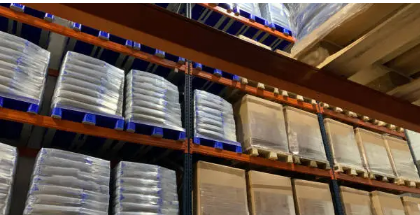
In Australia’s cold storage industry, efficiency and product preservation are paramount. One often overlooked yet essential solution is the use of ventilated pallet freezer spacers. These spacers create airflow between stacked pallets, ensuring consistent freezing temperatures, reducing energy consumption, and preventing product spoilage. For Australian businesses managing frozen foods, pharmaceuticals, or perishable goods, installing ventilated spacers is a practical, cost-effective way to improve warehouse operations.
Why Ventilated Pallet Freezer Spacers Are Essential
Cold storage facilities in Australia face unique challenges due to the country’s varying climates—from tropical regions in the north to temperate zones in the south. These conditions can influence the efficiency of refrigeration systems. By using ventilated pallet freezer spacers, warehouses can enhance air circulation around each pallet, maintaining uniform temperatures and preventing hotspots that could compromise product quality.
Unlike standard spacers or stacking methods, ventilated designs allow cold air to pass freely between pallets. This ensures that frozen goods, whether meat, seafood, or frozen vegetables, are consistently stored at safe temperatures, complying with Australia’s food safety standards. Moreover, these spacers reduce the risk of condensation, which can lead to ice build-up and increased energy costs.
Improving Warehouse Efficiency in Australia
Australian warehouses are increasingly adopting modern logistics solutions to maintain competitive operations. Ventilated pallet freezer spacers contribute to this by allowing more efficient stacking and storage. They optimise vertical storage space without compromising airflow, which is critical for temperature-sensitive goods. In high-volume operations, this can significantly reduce handling time, minimise pallet movement, and streamline warehouse workflows.
Cost Savings and Energy Efficiency
Energy consumption is a major operational cost for Australian cold storage facilities. Using ventilated pallet freezer spacers improves airflow, which allows refrigeration units to operate more efficiently. Better airflow reduces the workload on freezers, resulting in lower electricity bills and extended equipment lifespan.
In addition, by preventing uneven freezing and product degradation, businesses can reduce waste. For Australian companies handling perishable exports, such as Tasmanian seafood or Queensland frozen fruit, maintaining product integrity is critical. Ventilated pallet freezer spacers help protect these goods during long-term storage, reducing losses and boosting profitability.
Compliance with Australian Standards
Australian cold storage operations must comply with strict regulations set by Food Standards Australia New Zealand (FSANZ). Maintaining proper temperature control is a legal requirement, and failure to do so can lead to costly penalties and product recalls. Ventilated pallet freezer spacers play a vital role in meeting these standards by promoting consistent freezing and reducing temperature fluctuations within storage areas.
Additionally, they support HACCP (Hazard Analysis Critical Control Point) protocols by minimising cross-contamination risks. Airflow gaps between pallets prevent moisture accumulation and ice formation, both of which can compromise product safety.
Choosing the Right Pallet Freezer Spacers for Your Facility
When selecting ventilated pallet freezer spacers for Australian warehouses, consider factors such as material strength, ventilation design, and stack height capacity. Food-grade, chemical-resistant plastics are ideal for durability and hygiene, while perforated or grid-style designs optimise airflow. Choosing spacers that match your pallet dimensions ensures stability and prevents accidents during stacking.
Many Australian suppliers also offer customizable solutions tailored to specific storage requirements. Facilities handling frozen seafood may need wider spacers to allow maximum airflow, while frozen produce warehouses might prioritise stack stability to reduce handling risks. Engaging with local suppliers ensures spacers meet Australian standards while providing ongoing support for maintenance and replacements.
Sustainability Benefits
Beyond operational efficiency, ventilated pallet freezer spacers contribute to sustainability. By improving energy efficiency, they reduce the carbon footprint of refrigeration systems. Additionally, reducing product waste ensures that fewer goods are discarded, supporting Australia’s national goals for sustainable food supply and cold chain management.
Warehouses adopting these spacers can integrate them into broader green initiatives, such as energy audits and optimised freezer layouts. This approach not only benefits the environment but also enhances brand reputation among environmentally conscious consumers.
Conclusion
For Australian businesses operating in the frozen goods sector, pallet freezer spacers are more than just accessories—they are critical tools for efficiency, safety, and sustainability. Ventilated pallet freezer spacers improve airflow, maintain consistent temperatures, and reduce energy costs, all while complying with local food safety regulations.
Investing in high-quality spacers allows warehouses to maximise storage space, protect product integrity, and reduce operational risks. As the Australian cold storage industry continues to grow, integrating ventilated pallet freezer spacers is a practical step toward smarter, more sustainable warehouse management.