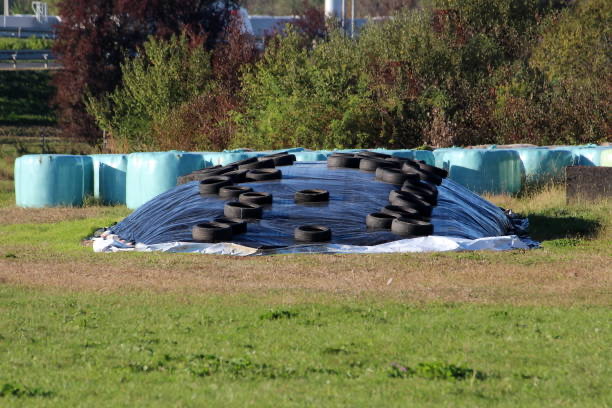
For modern farmers in Australia, protecting silage is a critical component of maintaining livestock health and farm efficiency. One of the most effective ways to achieve this is through the use of silage covers. Choosing the right material for these covers ensures maximum protection against weather, pests, and spoilage, helping farmers preserve feed quality and reduce waste.
Why Silage Covers Are Essential
Silage is a primary source of nutrition for livestock, providing energy, protein, and essential vitamins. However, silage is highly vulnerable to environmental factors such as rain, wind, sunlight, and pests. Exposure to these elements can lead to spoilage, mold, and nutrient degradation, which negatively impacts livestock performance and increases farm costs.
Silage covers create a protective barrier, shielding feed from external threats while maintaining optimal fermentation conditions. By selecting the right cover material, farmers can ensure silage remains nutritious and safe for livestock consumption.
Factors to Consider When Choosing Silage Cover Material
Selecting the right silage cover material is crucial for effective feed protection. Here are key factors farmers should consider:
- Durability: The cover must withstand harsh weather, punctures, and general wear and tear. Durable materials reduce the need for frequent replacements.
- UV Resistance: Exposure to sunlight can degrade both the cover and the silage underneath. UV-resistant materials protect silage from nutrient loss caused by prolonged sunlight exposure.
- Moisture and Air Barrier: The material should prevent water and air from entering the silage, which helps maintain anaerobic fermentation and reduces spoilage.
- Ease of Handling: Lightweight yet strong materials are easier to install, remove, and store, saving time and labor on the farm.
- Cost-Effectiveness: While high-quality materials may have a higher upfront cost, they often provide better long-term protection and reduce losses, making them a cost-effective investment.
By evaluating these factors, farmers can select silage covers that offer maximum protection for their specific farm needs.
Types of Silage Cover Materials
There are several types of materials commonly used for silage covers, each offering specific benefits:
- Polyethylene Films: Lightweight, durable, and affordable, polyethylene films provide excellent protection against moisture and air infiltration. They are ideal for short- to medium-term silage storage.
- UV-Resistant Tarpaulins: These covers protect against sunlight and help preserve nutrient content in silage. They are particularly useful in regions with high sun exposure.
- Oxygen Barrier Films: Designed to reduce oxygen penetration, these covers enhance anaerobic fermentation and prevent spoilage, making them suitable for long-term storage.
- Heavy-Duty Covers: Made from thicker, puncture-resistant materials, heavy-duty covers offer long-term protection against harsh weather, wind, and physical damage.
Choosing the right material depends on the storage duration, climate conditions, and type of silage being stored.
Best Practices for Using Silage Covers
Selecting the right material is only part of effective silage management. Proper installation and maintenance are essential for maximizing protection:
- Prepare the Storage Area: Remove debris, sharp objects, and rocks that could puncture the cover.
- Compact and Level Silage: Proper compaction reduces air pockets and promotes even fermentation.
- Secure the Cover: Use weights, sandbags, or tie-down systems to prevent wind or rain from lifting the cover.
- Regular Inspections: Check for tears, gaps, or wear and repair promptly to maintain a sealed environment.
- Double-Layering for Long-Term Storage: For extended storage periods, consider adding an additional layer or oxygen barrier film to enhance protection.
Following these best practices ensures that silage covers perform effectively and maintain feed quality throughout the storage period.
Benefits of Using High-Quality Silage Covers
Investing in the right silage cover material provides multiple benefits for farmers:
- Reduced Feed Waste: Proper protection prevents spoilage, ensuring more feed reaches livestock.
- Preserved Nutritional Value: High-quality materials maintain essential nutrients, supporting animal health and productivity.
- Cost Savings: Reducing feed losses lowers operational costs and minimizes the need for additional purchases.
- Labor Efficiency: Durable, easy-to-handle covers reduce time and effort required for feed management.
- Sustainable Farming: Minimizing waste contributes to more sustainable and environmentally responsible farming practices.
These benefits highlight that choosing the right silage cover material is not just about protection—it’s a strategic decision that improves overall farm efficiency and profitability.
Conclusion
Silage covers are a vital tool for protecting livestock feed and maintaining farm productivity. Selecting the right material ensures maximum protection against environmental threats, preserves nutritional value, and reduces waste. By considering durability, UV resistance, moisture control, ease of handling, and cost-effectiveness, farmers can choose silage covers that provide reliable, long-term protection.
Coupled with proper installation and regular maintenance, the right silage covers allow farmers to maximize feed quality, reduce labor, and achieve a more efficient and sustainable farming operation. For modern farms, investing in high-quality silage cover materials is a practical and cost-effective strategy that delivers long-term benefits for both livestock and farm profitability.