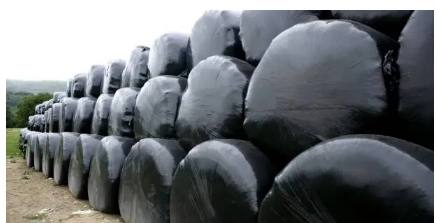
For Australian livestock farmers, bale wrap has become an indispensable tool in preserving high-quality silage and hay. With variable climates across the country—from the humid subtropical regions of Queensland to the drier landscapes of South Australia—ensuring feed remains nutritious and free of spoilage is critical. Bale wrap provides a protective barrier against moisture, oxygen, and pests, helping farmers maximise feed efficiency and reduce waste. Understanding how to select, apply, and maintain bale wrap is essential for successful farm management.
What Is Bale Wrap and Why It Matters in Australia
Bale wrap is a stretchable plastic film used to cover round or square bales of hay or silage, creating an airtight seal that promotes anaerobic fermentation. In Australia, where seasonal fluctuations can be extreme, bale wrap protects feed from rain, mould, and contamination. Properly wrapped bales retain nutrients longer, giving livestock access to higher-quality feed throughout the year. This is particularly important in regions with prolonged dry spells or unexpected rainfall, which can compromise unprotected hay.
Types of Bale Wrap Available in Australia
Australian farmers have access to several types of bale wrap designed for local conditions:
1. Standard Polyethylene Wrap – Affordable and widely used for short-term storage.
2. UV-Stabilised Wrap – Ideal for bales stored outdoors for extended periods, especially in regions with high sun exposure, such as Queensland and Western Australia.
3. Silage-Specific Wrap – Designed for optimal fermentation and long-term storage, commonly used in Victoria and New South Wales, where dairy farming is prevalent.
Selecting the right type of bale wrap depends on storage duration, climate conditions, and the type of feed being preserved. Many Australian suppliers also offer multi-layer wraps for enhanced protection and durability.
Best Practices for Using Bale Wrap in Australia
To get the most out of bale wrap, Australian farmers should follow several key practices:
● Proper Bale Preparation: Ensure bales are dry before wrapping to prevent mould growth. Moisture levels should be appropriate for silage fermentation.
● Correct Application: Use a bale wrapper machine to evenly cover bales, ensuring no gaps or tears in the wrap. Overlapping layers by 50% is recommended.
● Storage Considerations: Store wrapped bales on elevated surfaces or pallets to prevent ground moisture from compromising the wrap. Avoid placing bales in areas prone to flooding.
● Monitoring: Check bales periodically for punctures or damage caused by wildlife or machinery. Repair small tears with specialised tape to maintain the airtight seal.
These steps help maintain feed quality and protect the farmer’s investment. In Australia, where feed costs can be high and the weather unpredictable, these precautions are particularly valuable.
Regional Considerations for Australian Farmers
Different regions in Australia present unique challenges for bale wrap use:
● Queensland: High humidity can accelerate spoilage. UV-stabilised wrap and elevated storage are recommended.
● Victoria and New South Wales: Dairy farmers benefit from silage-specific wraps that support fermentation and nutrient retention.
● South Australia and Western Australia: Dry conditions require attention to prevent bales from becoming too brittle, which can lead to punctures. Multi-layer wraps provide extra durability.
By tailoring bale wrap practices to regional conditions, farmers can significantly reduce feed losses and improve livestock health.
Environmental and Cost Benefits
Using bale wrap efficiently also brings environmental and financial advantages. By reducing feed spoilage, farmers minimise waste and lower the need for additional feed purchases. Modern bale wraps are recyclable, and many Australian suppliers offer take-back programs to reduce environmental impact. Although the initial investment may seem high, the long-term savings and benefits to livestock productivity often outweigh the costs.
Choosing a Reliable Bale Wrap Supplier in Australia
When purchasing bale wrap, it is important to source from reputable Australian suppliers who understand local farming conditions. Look for:
● Consistent product quality and thickness
● UV protection for outdoor storage
● Multi-layer options for added durability
● Local support for advice and troubleshooting
Reliable suppliers ensure farmers get the right product for their region, preventing costly mistakes and feed losses.
Conclusion
For Australian livestock farmers, bale wrap is more than just plastic—it’s a vital tool for preserving feed quality, improving farm efficiency, and protecting investments against unpredictable weather. By understanding the types of wrap available, following best practices, and considering regional conditions, farmers can maximise the benefits of bale wrap. From maintaining nutrient-rich silage to reducing waste and lowering costs, investing in the right bale wrap strategy supports sustainable and profitable livestock farming across Australia.