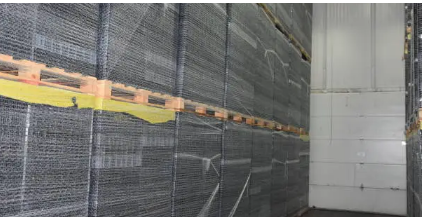
Efficient cold storage is crucial for the Australian food industry, from seafood processors in Tasmania to meat distributors in Queensland. One of the most effective tools for optimising freezer performance is the use of quick freeze pallet freezer spacers. These spacers play a critical role in improving airflow between stacked pallets, accelerating freezing times, and maintaining the quality of perishable goods. For Australian businesses managing large volumes of frozen products, investing in pallet freezer spacers is a practical, cost-effective solution.
What Are Pallet Freezer Spacers?
Pallet freezer spacers are devices placed between stacked pallets in cold storage environments. Their primary purpose is to create a consistent gap that allows cold air to circulate freely around all items on the pallet. In quick freeze applications, where rapid temperature reduction is essential, these spacers prevent uneven freezing and reduce the risk of ice crystal formation, which can damage food texture and integrity.
In Australia, where the cold chain is vital for industries such as seafood, meat, and frozen produce, the adoption of pallet freezer spacers has been steadily increasing. By ensuring that cold air reaches every layer of products, these spacers not only improve freezing efficiency but also help maintain compliance with food safety standards regulated by Food Standards Australia New Zealand (FSANZ).
Benefits of Quick Freeze Pallet Freezer Spacers
1. Faster Freezing Times: Quick freeze pallet freezer spacers allow cold air to circulate more effectively around stacked pallets. This reduces the freezing time per batch, which is particularly important for perishable goods such as seafood and fresh vegetables. Faster freezing helps preserve the nutritional value, taste, and texture of food products, ensuring higher quality for Australian consumers.
2. Energy Efficiency: Australian cold storage facilities often face high energy costs due to prolonged freezer operation. By improving airflow and freezing efficiency, pallet freezer spacers reduce the energy required to reach target temperatures. This not only lowers operational expenses but also aligns with sustainability initiatives adopted by many Australian businesses seeking to reduce their carbon footprint.
3. Maximised Storage Capacity: Efficient air circulation means pallets can be stacked more safely without compromising freezing effectiveness. This allows warehouses to optimise their vertical storage space, a valuable advantage in urban centres like Sydney, Melbourne, and Brisbane, where real estate and storage costs are high.
4. Reduced Product Loss: Uneven freezing can cause partial thawing and refreezing, leading to ice crystal formation and product degradation. By maintaining consistent temperatures, pallet freezer spacers help reduce waste, a critical concern for Australian food distributors dealing with tight supply chains.
Choosing the Right Spacers for Australian Cold Storage
Selecting appropriate pallet freezer spacers depends on the type of products being frozen and the freezer configuration. Spacers are available in various materials, including high-density polyethylene (HDPE), polypropylene, and other durable polymers suitable for repeated use. In Australia, suppliers often offer spacers specifically designed for local freezer systems, which may vary in size due to regional standards and the types of pallets commonly used.
When choosing spacers, Australian businesses should consider:
● Load-bearing capacity: Ensure spacers can support the weight of fully loaded pallets.
● Hygiene and food safety compliance: Materials should be easy to clean and resistant to microbial growth.
● Temperature tolerance: Spacers must withstand extremely low temperatures without warping or cracking.
Applications Across the Australian Food Industry
1. Seafood Processing: Tasmania, Victoria, and Queensland are major hubs for seafood production. Quick-freeze pallet freezer spacers ensure fish and shellfish are frozen rapidly, maintaining freshness for both domestic and export markets.
2. Meat and Poultry: In South Australia and New South Wales, large-scale meat processors rely on cold storage solutions to preserve beef, lamb, and poultry. Proper spacer use reduces freezing times and prevents freezer burn, enhancing product quality for retailers and consumers.
3. Frozen Produce and Convenience Foods: Frozen vegetables, fruits, and ready-to-eat meals benefit from uniform freezing, which preserves taste and texture. Pallet freezer spacers enable Australian food companies to meet high consumer expectations for quality and consistency.
Implementing Spacers for Maximum Efficiency
To maximise the benefits of quick freeze pallet freezer spacers, Australian facilities should integrate them into their standard operating procedures. This includes:
● Training staff on proper pallet stacking techniques.
● Regularly inspecting spacers for wear and tear.
● Monitoring freezer airflow patterns to ensure optimal circulation.
By following these practices, businesses can enhance productivity, reduce energy costs, and maintain the integrity of their frozen products.
Conclusion
For Australian food businesses, quick-freeze pallet freezer spacers are more than just an accessory—they are a vital tool for maintaining cold chain efficiency, reducing product loss, and saving energy. From seafood to frozen convenience foods, spacers help ensure products reach consumers in optimal condition while supporting sustainable, cost-effective operations. As the demand for high-quality frozen products continues to grow across Australia, the role of pallet freezer spacers in modern cold storage facilities is becoming increasingly essential.
Investing in the right spacers not only improves freezing efficiency but also contributes to better business outcomes, higher product quality, and customer satisfaction across the Australian market.