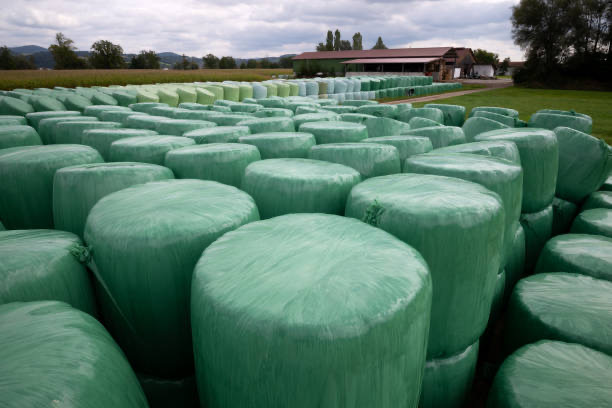
Efficient feed preservation is a critical component of modern livestock farming, and silage film has emerged as a vital tool in this process. Across Australia’s diverse agricultural landscapes—from Queensland’s tropical dairy regions to the mixed farming systems of Victoria—farmers are recognising that minimising feed waste is not just about cost savings, but also about sustainability and productivity. By ensuring high-quality silage storage, silage film reduces losses from spoilage, pests, and nutrient degradation, helping farmers deliver consistent feed to their herds year-round.
The Challenge of Feed Waste in Australian Agriculture
Feed waste is a persistent issue for Australian farmers, with losses often caused by exposure to air, moisture infiltration, and microbial activity. In a country where climatic conditions vary from arid heatwaves to heavy seasonal rains, ensuring feed is stored under optimal conditions is no small feat. Even a 10% reduction in silage spoilage can translate into substantial economic benefits, particularly for dairy and beef producers operating on tight margins. This is where advanced storage solutions, including high-quality silage film, play a transformative role.
How Silage Film Improves Preservation
Silage preservation hinges on creating an anaerobic (oxygen-free) environment, which prevents mould growth and limits nutrient loss. Silage film works by forming a tight, durable barrier around stored fodder, sealing out oxygen and moisture. Modern multi-layer films are designed with enhanced UV protection, an essential feature for Australian farms that endure intense sunlight.
When applied correctly, this protective barrier helps maintain the original nutritional value of the forage, reduces dry matter loss, and extends storage life. This means livestock can benefit from feed that retains its palatability and energy content even months after ensiling.
Economic Benefits for Farmers
Investing in quality silage film is not just about protecting feed—it’s a strategic financial decision. Australian beef and dairy farmers face rising input costs, and wasted feed directly impacts profitability. By reducing spoilage, farmers can feed more animals with the same amount of harvested forage, thereby lowering the need for supplementary feed purchases.
A practical example comes from a New South Wales dairy operation that reported reducing feed losses from 20% to under 5% after switching to a higher-grade silage film. The savings from reduced waste paid for the investment within a single season, while also improving herd performance due to more consistent feed quality.
Environmental Impact and Sustainability
Beyond the farm gate, silage film contributes to sustainability by reducing the environmental footprint of livestock operations. Less feed waste means fewer resources—land, water, and energy—are required to produce the same volume of usable feed. This efficiency aligns with Australia’s broader push toward sustainable agriculture, helping the sector adapt to climate change pressures and market demands for environmentally responsible production.
Additionally, recycling initiatives for used silage film are growing in Australia, with programs available in regions like Victoria and Tasmania. These schemes ensure that the environmental benefits extend beyond the farm by diverting used plastics from landfill.
Best Practices for Using Silage Film on Australian Farms
To maximise the benefits, Australian farmers should follow best-practice guidelines when using silage film:
- Choose the Right Film: Select multi-layer films with high puncture resistance, UV stability, and strong cling properties suitable for local climatic conditions.
- Proper Wrapping: Apply the correct number of film layers (often 6–8) to ensure airtight sealing.
- Timely Sealing: Wrap silage within hours of harvesting to minimise oxygen exposure.
- Storage Location: Place bales or silage pits on well-drained, level ground away from flood-prone areas.
- Regular Inspection: Check for damage and promptly repair holes to prevent spoilage.
Following these steps ensures silage film delivers optimal feed preservation results.
Looking Ahead: Innovation in Silage Film Technology
Innovation in silage film production is set to further benefit Australian farmers. Biodegradable films, improved oxygen barrier technologies, and films designed for faster application are emerging in the market. These advancements aim to enhance feed protection, reduce labour costs, and support environmental goals. As demand for higher productivity and sustainability grows, the role of silage film in reducing feed waste will only strengthen.
Conclusion
For Australian livestock producers, silage film is more than just a storage accessory—it’s an investment in productivity, profitability, and sustainability. By significantly reducing feed waste, it ensures that every tonne of harvested forage delivers maximum value. As technology continues to evolve, farmers who adopt and optimise silage film usage will be well-positioned to thrive in an increasingly competitive and climate-conscious agricultural landscape.