Due to recent food safety scares, many consumers are turning away from fresh is best and instead looking for solutions in the freezer case that combine taste, convenience and sustainability – particularly concerning seafood products.
High-quality options from a frozen seafood supplier offer many advantages for restaurants and canteens, as they prevent bacterial growth, increase shelf life, simplify home cooking with year-round availability, and reduce price volatility.
Quality
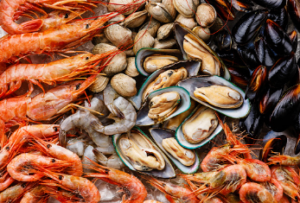 Seafood frozen shortly after harvest preserves both nutrients and the delicious taste associated with fresh fish, and due to advances in seafood processing and freezing techniques, some frozen products even surpass fresh seafood in terms of quality.
Frozen fish is often more healthful, flavourful, and cost-effective than fresh seafood regarding its preservation and storage, by freezing quickly after being caught and stored quickly after harvest, parasites, bacteria growth, omega-3 fat degradation and vitamin degradation are prevented, resulting in healthier, flavourful and less costly options than their fresh counterparts.
Frozen seafood has become increasingly popular with rising consumer demands for sustainable and healthy options. Offering a range of choices such as value-added forms such as breaded or battered fish fillets, this convenient food source makes an easy addition to households and businesses alike.
When purchasing from a frozen seafood supplier, look for hard pieces free from any ice crystals or discolourations, packaged tightly to avoid rough handling or air intake, and completely thawed without odours. Be sure to store in the coldest part of your freezer, typically the back centre; new technologies such as micro-misting and rapid deep-freeze techniques that reach lower temperatures can help frozen seafood retain more of its natural moisture, texture, and nutrition.
Nutrition
Seafood is an excellent source of protein, omega-3 fatty acids and other vitamins and minerals. While water-soluble nutrients such as Vitamin B12 can become degraded during thawing, fat-soluble nutrients remain preserved.
Since seafood is usually frozen soon after harvesting, there’s less risk of nutritional deterioration compared to fresh seafood. Furthermore, freezing also kills parasites and inhibits bacterial growth.
Frozen seafood can be an integral component of a nutritious diet and, when frozen immediately after harvest, can maintain its quality for up to one year without spoiling or contributing to food waste. Its longer shelf life makes frozen seafood more affordable than fresh and allows people to enjoy their favourite dishes throughout the year! Additionally, production companies find freezing seafood cheaper than producing and transporting it fresh, reducing costs and environmental impacts.
Convenience
Frozen seafood might seem like an odd compromise, but it can be better than fresh. Sushi counters at high-end restaurants and grocery store fish sections typically freeze their products before placing them on display to maintain quality, reduce spoilage, and reduce food waste from unsold fresh products.
Flash-frozen seafood is more nutritious than its fresh counterpart, as the freezing process does not compromise essential proteins and fats that add flavour and texture. Furthermore, flash freezing preserves vitamins and minerals that could have been lost over the long journey from capture to the consumer’s plate.
Frozen seafood supplier sales have seen rapid growth over recent years for a good reason: frozen varieties are far easier to transport and provide consumers with access to seafood they may not otherwise be able to obtain fresh.
When purchasing frozen seafood, select packaged products that have been individually quick-frozen (IQF). It ensures consistent quality and reduces spoilage; seafood should feel hard when picked up without easily bending. Furthermore, all packages must be tightly sealed with dates for tracking purposes. It’s best to store frozen seafood in the coldest part of your freezer (typically the back centre). Furthermore, as a general guideline, it may take 50 per cent longer to cook frozen than fresh.
Value
Frozen seafood products provide essential nutrition, including proteins, healthy fats (polyunsaturated fatty acids), iodine, calcium, selenium and vitamin D – known to prevent various heart diseases and autoimmune disorders as well as help suppress bacterial formation and extend the shelf life of food products – that has contributed to its widespread consumption in America. As a result, its market has experienced tremendous growth.
The global frozen seafood market is forecast to be driven by growing consumer awareness about the health benefits of seafood consumption and their convenience factor, particularly within supermarkets & hypermarkets.
Frozen seafood also has a lower carbon footprint than fresh seafood due to not requiring air transportation and flash-freezing’s waste reduction properties, thus expanding the frozen seafood market.