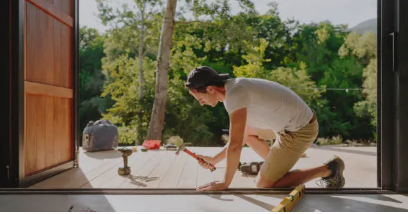
Building verandahs Adelaide homeowners can truly elevate their living experience—offering both functional shade and aesthetic appeal. However, before you dive into designing or constructing your dream verandah, it’s crucial to understand the necessary council permits and local regulations that govern such structures.
Adelaide’s councils maintain specific rules to ensure verandahs Adelaide are safe, compliant, and aligned with community standards. Knowing these regulations not only prevents costly delays but also guarantees your verandah adds long-term value to your property.
Why Council Approval Matters
In Adelaide, most verandah constructions require council approval because they are considered structural additions to a property. Council permits ensure that your design meets safety standards, zoning regulations, and environmental requirements. Failing to obtain proper approval can result in fines, demolition orders, or difficulties when attempting to sell your property later.
Each council across metropolitan Adelaide—such as the City of Charles Sturt, City of Marion, and City of Tea Tree Gully—has its own development rules and building guidelines. For example, one council might require setback distances from boundaries, while another might limit the height of attached verandahs. Understanding these specifics early on helps you avoid design revisions and approval delays.
Types of Approvals Needed for Verandahs
When planning to build verandahs Adelaide property owners typically need two types of approvals: planning approval and building approval.
Planning Approval: This ensures that your verandah complies with zoning and aesthetic standards. Councils assess factors such as location, size, materials, and impact on neighbours. Verandahs that are close to boundaries or visible from the street are scrutinised more closely for visual harmony with surrounding properties.
Building Approval: Once your design passes the planning assessment, building approval focuses on ensuring technical safety and adherence to construction standards. This step verifies that your verandah meets the National Construction Code (NCC) and relevant Australian Standards regarding structural integrity, wind resistance, and waterproofing.
In some cases, minor verandahs that meet specific size and location criteria may be exempt from planning approval, though building approval is almost always mandatory. Checking this with your local council before starting construction is essential.
Navigating the Application Process
The application process for verandahs Adelaide can vary slightly between councils, but it generally involves similar steps. First, prepare detailed drawings and specifications, ideally prepared by a licensed builder or draftsperson. Your application should include site plans, elevations, and construction details.
Most councils now offer online application portals, making submissions and tracking easier. After submission, the council reviews the proposal, which may take a few weeks depending on complexity and workload. If additional information or amendments are required, responding quickly can help expedite the process.
You’ll also need to pay applicable fees for both planning and building assessments. The cost can range from a few hundred to over a thousand dollars, depending on the project’s scale.
Common Regulations to Be Aware Of
Adelaide councils share many common regulatory standards that homeowners should be aware of before starting any verandah project. These include:
Setback Requirements: Verandahs must be built a certain distance away from boundaries to prevent encroachment on neighbouring properties.
Height Limits: Typically, verandahs attached to a dwelling should not exceed 3 to 3.6 meters in height unless additional approval is obtained.
Materials and Finishes: Councils may restrict reflective roofing or materials that could create glare issues.
Drainage and Stormwater: Adequate drainage must be integrated to prevent flooding or water damage to adjacent properties.
Heritage or Character Zones: If your property is located in a heritage or character area, stricter guidelines may apply to preserve architectural consistency.
By ensuring your verandah design complies with these standards, you’ll save time and avoid unexpected modifications.
The Role of Private Certifiers
In addition to council approval, Adelaide homeowners can choose to work with private certifiers—qualified professionals authorised to assess and approve building works. Private certifiers often provide faster turnaround times compared to council processing and can help identify compliance issues early.
For verandahs Adelaide builders often collaborate with private certifiers to streamline approvals, especially for standard designs or kit verandahs that already meet NCC and council standards. However, even with private certification, certain councils still require notification or consent before construction commences.
What Happens After Approval
Once your verandah is approved, you’ll receive a Development Approval (DA) notice outlining any conditions that must be followed during construction. These may include inspections at specific stages, such as footing excavation or frame completion.
After construction, a Certificate of Completion or Statement of Compliance is issued to confirm that the verandah meets all required standards. Keep these documents for future reference—they’re essential for property sales or insurance claims.
Failure to follow the approved plans can result in penalties or a stop-work order. Always ensure your builder adheres to the approved drawings and materials.
Tips for a Hassle-Free Approval Process
To make your verandah project smoother, consider these practical tips:
Engage a local builder experienced in Adelaide’s council regulations—they often know exactly what documentation is required.
Check zoning early—some suburbs may have restrictions that affect your verandah’s size or placement.
Use pre-approved designs when possible; many suppliers offer verandah kits that already meet code requirements.
Maintain open communication with your council or private certifier to address issues promptly and effectively.
Taking these proactive steps can help you save both time and money while ensuring your verandah project remains fully compliant.
Final Thoughts
Building verandahs Adelaide can significantly enhance your outdoor lifestyle and property value, but compliance with council regulations is non-negotiable. Understanding the permit process, following building codes, and collaborating with qualified professionals are essential to achieving a safe, durable, and legally compliant verandah.
By doing your due diligence upfront and respecting local requirements, you can enjoy your new verandah with peace of mind—knowing that it’s not only beautiful and functional but also fully approved and future-proof.