Hip dysplasia is a prevalent and painful condition that impacts dogs of all breeds, leading to discomfort and limiting their mobility. For pet owners in Portland, understanding the costs associated with therapy for dogs with hip dysplasia is key to providing the right care while keeping financial considerations in check. Treatment options can vary widely, from non-invasive approaches to surgical procedures, each with its therapy for dogs with hip dysplasia cost range. In this article, we’ll explore the different therapies available, their costs, and how to effectively manage this aspect of your dog’s health care.
What is Hip Dysplasia in Dogs?
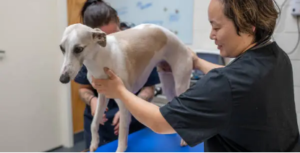 Before diving into therapy costs, it’s important to understand the condition itself. Hip dysplasia is a genetic condition in which the hip joint fails to develop correctly, causing the ball and socket to rub and grind against each other instead of moving smoothly. Over time, this leads to the deterioration of the joint, inflammation, pain, and eventually, arthritis. While some breeds are more prone to this condition, it can affect dogs of all sizes.
Costs of Non-Invasive Therapy Options
Non-invasive therapies are often the first line of treatment for dogs with mild to moderate hip dysplasia. These treatments focus on managing pain, reducing inflammation, and improving mobility without surgical intervention.
- Physical Therapy (Canine Rehabilitation): Physical therapy is one of the most recommended treatments for managing hip dysplasia. It includes exercises designed to strengthen the muscles around the hip joint, improve flexibility, and maintain mobility. A standard session with a canine physical therapist typically costs between $50 and $100. Since multiple sessions are often necessary, the total expense can range from $500 to $2,000 over several months.
- Hydrotherapy: Hydrotherapy is an effective treatment for dogs with hip dysplasia. The therapy involves water-based exercises, such as swimming or walking on an underwater treadmill, which helps relieve joint pressure and improve mobility. Each session costs around $40 to $75, and dogs may need 10 to 20 sessions, bringing the total cost to approximately $400 to $1,500.
- Laser Therapy: Laser therapy is another non-invasive option that significantly uses light to reduce inflammation and promote healing in affected tissues. Each session can cost $25 to $50, and multiple treatments are required. The overall expense may range from $250 to $1,000, depending on the level of severity of the condition.
- Medications and Supplements: Medications like non-steroidal anti-inflammatory drugs (NSAIDs) are often prescribed to effectively manage pain and reduce inflammation. The cost of these medications can significantly vary based on the dog’s size and the length of treatment, ranging from $30 to $150 per month. Joint supplements, including glucosamine and chondroitin, are also recommended to support joint health, costing between $20 and $60 per month.
Surgical Treatment and Associated Costs
In more severe cases of hip dysplasia, surgery may be the best option to effectively relieve pain and restore mobility. Surgical procedures are more expensive but often provide long-term relief for dogs suffering from advanced hip dysplasia.
- Femoral Head Ostectomy (FHO): FHO surgery involves removing the ball of the hip joint, allowing the surrounding muscles to support the dog’s weight. This procedure is typically recommended for small to medium-sized dogs and can cost between $1,200 and $2,500 per hip.
- Total Hip Replacement (THR): Total hip replacement is a more advanced surgical option where the entire hip joint is efficiently replaced with an artificial implant. While this surgery is highly effective, it is also the most expensive, ranging from $3,500 to $7,000 per hip. This cost includes pre-surgical evaluations, the procedure itself, and post-surgical care.
- Double or Triple Pelvic Osteotomy (DPO/TPO): These surgical procedures involve cutting and rotating the pelvic bones to improve joint function in young dogs with early-stage hip dysplasia. The cost for DPO/TPO surgery ranges from $2,000 to $4,000, depending on the complexity of the procedure.
Conclusion
Understanding the therapy for dogs with hip dysplasia cost is crucial to providing your pet with the best possible care. While treatments can be costly, ranging from non-invasive options like physical therapy and hydrotherapy to surgical procedures such as total hip replacement, there are various solutions in Portland to fit different budgets and the severity of the condition. By familiarising yourself with these costs and considering financial assistance options, you can make informed choices about your dog’s treatment and enhance their quality of life.