Net wrap plays a crucial role in modern agriculture, particularly in the efficient baling and storage of hay and straw. Choosing the right net wrap can significantly impact productivity, bale integrity, and overall farm operations. This article explores the essential factors to consider when selecting excellent net wrap quality.
Material Durability and Strength
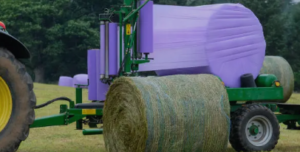 One of the primary indicators of excellent net wrap quality is its material durability and strength. High-quality net wrap is typically made from polyethylene (PE), a robust and resilient material known for its ability to withstand the rigours of agricultural use. The thickness of the material, measured in microns, determines its strength and resistance to tearing during baling and handling processes. Opting for thicker variants ensures greater durability and longevity, thereby reducing the risk of bale damage and loss.
UV Resistance and Longevity
Exposure to sunlight can significantly degrade net wrap over time, compromising its effectiveness in securing bales. Excellent net wrap quality includes UV inhibitors that prolong its lifespan by protecting against UV radiation. UV-resistant net wrap maintains its strength and integrity, ensuring that bales remain securely wrapped during storage and transportation. Farmers should prioritise net wraps that are specifically designed to withstand prolonged exposure to sunlight, thereby maximising their investment in baling materials.
Bale Density and Compression
The ability of net wrap to maintain bale density and compression is another critical factor in determining its quality. Well-designed net wraps exert even pressure across the bale surface, minimising the risk of bulging or uneven compression. This uniformity not only enhances the appearance of bales but also facilitates stable stacking and storage. Farmers should select net wraps that offer consistent compression capabilities, ensuring that bales retain their shape and density throughout the handling and storage processes.
Width and Length Considerations
The dimensions of net wrap—both width and length—affect its efficiency and performance during baling operations. Wider net wraps reduce the number of revolutions required to cover a bale, thereby enhancing operational efficiency and reducing baling time. Similarly, adequate length ensures sufficient coverage and overlap for securing bales effectively. Farmers should assess their specific equipment and baling requirements to determine the optimal dimensions of net wrap that meet their operational needs.
Moisture Resistance
Moisture can compromise the integrity of bales, leading to mould growth and spoilage. Excellent net wrap quality includes moisture-resistant properties that minimise water absorption and maintain bale integrity in humid or wet conditions. By preventing moisture penetration, these net wraps preserve the nutritional value and quality of hay and straw, ensuring that livestock receive optimal feed during storage periods. Farmers operating in regions prone to high humidity or frequent rainfall should prioritise net wraps with enhanced moisture resistance capabilities.
Ease of Application and Compatibility
The ease of applying net wrap significantly influences operational efficiency and labour productivity on the farm. Excellent net wrap quality encompasses user-friendly features that simplify installation and minimise downtime during baling operations. Compatibility with various baling machines and equipment ensures seamless integration into existing workflows, reducing the likelihood of operational disruptions and equipment malfunctions.
Cost-Effectiveness vs. Quality
While cost considerations are important, prioritising quality over price can yield long-term benefits in terms of operational efficiency and bale integrity. High-quality net wraps may initially involve a higher investment but offer superior durability, UV resistance, and moisture protection, ultimately reducing maintenance costs and bale wastage over time. Farmers should evaluate the overall cost-effectiveness of net wraps based on their durability, performance, and long-term benefits rather than focusing solely on upfront costs.
Comparing Brands and Reviews
The market offers a variety of net wrap brands, each with unique features and performance characteristics. Farmers should conduct thorough research and consider customer reviews and testimonials when selecting net wraps. Insights from fellow farmers and industry experts can provide valuable information regarding durability, performance under various conditions, and overall customer satisfaction. Comparing brands allows farmers to make informed decisions based on real-world experiences and recommendations, ensuring that they choose net wraps that meet their specific operational requirements and performance expectations.
Conclusion
Selecting high-quality net wrap involves evaluating several critical factors, including material durability, UV resistance, bale compression capabilities, moisture resistance, ease of application, cost-effectiveness, environmental impact, and customer feedback. By prioritising these considerations, farmers can ensure that they invest in net wraps that enhance baling efficiency, protect bale integrity, and support sustainable farming practices. Choosing excellent net wrap quality not only improves farm productivity but also contributes to the long-term success and sustainability of agricultural operations.