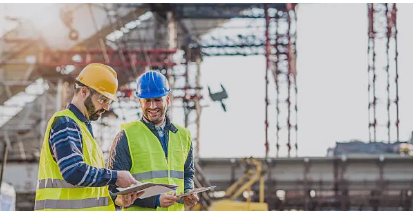
In 2025, commercial builders in Melbourne are spearheading a transformation in the construction industry. Leveraging advanced materials, digital innovation, and health‑centred design, these firms are setting new benchmarks for environmental performance, tenant satisfaction, and project efficiency. Below, we explore the most significant trends shaping Melbourne’s commercial construction landscape.
Sustainability at the Core: Green Materials & Green Star Certification
Commercial builders in Melbourne are placing sustainability at the heart of new developments. They are increasingly incorporating recycled steel, low-carbon concrete, Cross-Laminated Timber (CLT), bamboo, and even hempcrete into their builds.Melbourne projects now routinely aim for Green Star certification, with award-winning local examples like Council House 2 showing up to 64% lower emissions than average buildings.
Recent innovations in bio-based building materials—such as oyster shell composites, algae bricks, mycelium panels, and straw systems—are currently under pilot in Australia and may soon appear in commercial projects in Victoria. These materials have the potential to sequester carbon and reduce landfill waste.
Green roofs, living walls and adaptive reuse of heritage buildings are also part of the sustainability toolkit for commercial builders in Melbourne, improving insulation, biodiversity, and occupant well‑being while preserving cultural identity.
Smart Building Integration & IoT‑Driven Operations
As technology becomes mission‑critical, commercial builders in Melbourne are embedding innovative building systems from the foundation up. Reliable IoT sensors, touchless interfaces, and AI‑powered building automation systems now regulate lighting, climate, access control, and energy use in real time.
Advanced Building Management Systems (BMS) and digital dashboards enable predictive maintenance and consumption analytics, boosting efficiency and reducing downtime. Smart glass, voice-activated controls, smart poles, and AI-enabled emergency response are gradually being standardised in modern commercial developments.
Modular & Prefabricated Construction for Speed and Accuracy
To combat time, cost, and labour pressures, many Melbourne commercial builders are turning to prefabricated and modular construction methods. Off-site manufacturing enables faster, more precise, and less wasteful construction, with estimates of 50–60% faster delivery than traditional builds in Australia.
Companies are using stackable modular units to provide future adaptability in office, retail, or mixed‑use spaces. These approaches help address labour shortages and inflation-driven cost escalation in Melbourne’s commercial sector.
Biophilic & Wellness-Centred Design
Commercial builders in Melbourne are aligning with evolving workplace priorities by designing for physical and mental wellness. Projects increasingly integrate biophilic design elements, such as expansive glazing, green walls, natural light, botanical terraces, and rooftop gardens, to connect occupants to nature.
Indoor air quality improvements, acoustic comfort, non-toxic finishes, and wellness amenities (e.g. cycling facilities, lounge zones, meditation spaces) reflect a growing health-first approach. Healthy design enhances employee satisfaction and boosts a building’s ESG credentials.
Adaptive Reuse & Mixed‑Use Flexibility in Urban Cores
Melbourne’s inner-city commercial builders are progressively favouring adaptive reuse—repurposing former warehouses, factories, and heritage façades into vibrant office, retail and creative commercial spaces. This richness in place-making supports sustainability and maintains architectural identity.
Simultaneously, mixed-use developments, blending commercial, residential, and recreation zones within single precincts (e.g., Collins Arch and waterfront redevelopments), are growing in popularity due to land scarcity and urban density in Melbourne.
Climate‑Adaptive Building Shells & Responsive Façades
In 2025, commercial builders are embracing climate-adaptive building shells—dynamic façades and roofs that respond to environmental stimuli. These include kinetic louvres, operable shading disks, and switchable glass façades that optimise airflow, daylight, and thermal comfort in real time.
Melbourne’s RMIT Design Hub exhibits early adoption of this approach through its sunshading disk façade, built to be upgraded for solar integration in future years.
Health & Safety Innovation: Worker Protection on Site
Labour productivity and safety remain ongoing issues, and commercial builders in Melbourne are adopting AI-enabled tools, site robotics, wearables, drones, and automated machinery to mitigate risks, reduce onsite injury, and enhance operational oversight—industry.
Smart helmets, drone-assisted inspections, and robot-operated task automation are helping offset labour shortages while ensuring high safety and compliance standards in complex urban projects.
Conclusion:
Commercial builders across Melbourne in 2025 are embracing a holistic, future‑focused philosophy. From cutting‑edge sustainable materials and innovative building integration to modular construction, biophilic wellness design, and adaptive reuse, these trends underscore a confident commitment to innovation, resilience, and environmental stewardship.
Melbourne’s commercial builders are not just delivering structures—they’re crafting high-performance, health-conscious, digitally intelligent environments that meet present needs and anticipate tomorrow’s demands.