Mobility scooters have become essential tools for individuals in Adelaide who want to maintain their independence while managing mobility limitations. Whether you need a scooter for daily errands, travel, or occasional use, choosing the right one can significantly improve your quality of life. But with so many options available in Adelaide, how do you decide which mobility scooter is right for you?
This buyer’s checklist outlines the most important factors to consider before buying mobility scooters, ensuring you make an informed and confident decision.
1. Determine Your Intended Use
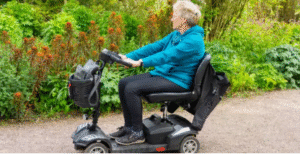 Before shopping for mobility scooters, ask yourself how and where you plan to use them. Will you mostly use it indoors, outdoors, or a combination of both? Indoor scooters are typically smaller, featuring a tighter turning radius that allows for easy navigation of hallways and other tight spaces. Outdoor models tend to be larger, featuring more powerful motors, improved suspension, and larger wheels for navigating rougher terrain.
2. Consider Portability and Storage
Mobility scooters come in various sizes and weights. Travel or portable scooters are lightweight, foldable, and easy to disassemble, making them ideal for transportation in cars or aeroplanes. However, they may have limited range and speed compared to full-sized models.
If you don’t need to transport your scooter often and have sufficient storage space at home, a larger model may offer more comfort and power.
3. Check Weight Capacity
Each mobility scooter has a maximum weight limit that must be adhered to for safety and optimal performance. Be sure to choose a model that can comfortably support your weight, along with any personal items or groceries you might carry in the basket or storage compartments.
Typically, standard scooters support up to 300 lbs, while heavy-duty models can accommodate up to 500 lbs.
4. Battery Life and Range
Battery performance is a crucial factor. Before buying mobility scooters, consider how far you need to travel on a single charge. Lightweight, portable scooters may offer a range of 8–12 miles, while more robust models can travel 20–30 miles or more.
If you plan to use your scooter for long outings, ensure it has a high-capacity battery and check the recharge time as well.
5. Speed and Maneuverability
The average speed for mobility scooters ranges from 4 to 8 miles per hour. Consider your comfort level and where you intend to use it. Indoor scooters don’t require high speeds, but outdoor or road-legal scooters may benefit from a higher speed range.
Additionally, assess how easily the scooter can be steered. Test its turning radius, especially if you’ll be using it in tight or crowded spaces.
6. Comfort and Ergonomics
Since you’ll be spending a considerable amount of time on your mobility scooter, comfort is essential. Look for adjustable seats, armrests, and tillers. Padded, swivel seats make getting on and off easier, while suspension systems can smooth out bumpy rides, especially on uneven pavement.
Try out different models, if possible, to find one that best suits your body type and preferences.
7. Safety Features
Safety is paramount. Some key safety features to look for in mobility scooters include:
- Anti-tip wheels
- Automatic braking systems
- Headlights and tail lights
- Turn signals
- Horns and mirrors
These features help keep you safe, especially when travelling in public spaces or low-light conditions.
8. Budget and Warranty
Mobility scooters range widely in price, from a few hundred dollars for basic models to several thousand for high-end or heavy-duty scooters. Set a realistic budget based on your needs and prioritise essential features over luxury ones.
9. Check Local Regulations
Depending on where you live, certain mobility scooters may need to meet specific legal requirements, particularly if they are intended for use on public roads. In some areas, road-legal scooters are required to have lights, indicators, and registration. Always check with your local authority or transport department to ensure compliance.
10. Try Before You Buy
If possible, visit a showroom or mobility centre to test different scooters. It provides an opportunity to assess comfort, ease of use, and handling. It’s also a great opportunity to ask questions and receive expert recommendations tailored to your specific needs.
Final Thoughts
Purchasing a mobility scooter is a life-enhancing decision that deserves careful thought. With the right model, mobility scooters can offer independence, freedom, and improved quality of life. By using this buyer’s checklist, you’ll be better equipped to choose a scooter that fits your lifestyle, budget, and physical needs.
Before buying mobility scooters, invest the time to research, test different models, and consult with mobility experts. The right mobility scooter isn’t just about getting from point A to B — it’s about regaining control of your mobility with comfort, safety, and confidence.