Traumatic brain injury (TBI) presents a complex challenge for patients and clinicians alike, requiring a multidisciplinary approach to rehabilitation. At Physio Findon, the emphasis is on delivering specific, evidence-based physiotherapy interventions tailored to the unique needs of each patient. Located in the heart of Findon, South Australia, this clinic offers a comprehensive suite of therapeutic options designed to restore physical function, improve neurological outcomes, and enhance long-term quality of life for individuals recovering from TBI.
Understanding the Impact of TBI on Physical Function
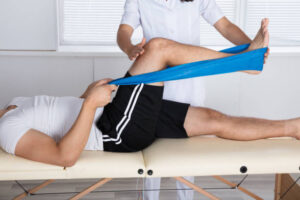
A traumatic brain injury can result from a fall, motor vehicle accident, or sports-related trauma—common occurrences in both urban and regional parts of South Australia. Depending on the severity and location of the injury, patients may experience deficits in balance, coordination, strength, mobility, and muscle tone. These impairments often disrupt daily function and independence.
Physio Findon addresses these complexities with a patient-centred strategy, combining neurological expertise with targeted physical rehabilitation to promote neuroplasticity and maximise functional gains.
Early Phase Interventions: Mobilisation and Neurostimulation
In the acute phase of recovery, early mobilisation plays a pivotal role. Physiotherapists at Physio Findon start with low-stimulation activities, such as passive range of motion (ROM) exercises, to prevent joint stiffness and muscle contractures. This is complemented by neurostimulation techniques, including sensory integration therapy and tactile cueing, which help re-engage dormant neural pathways.
Another key component at this stage is bed mobility training, which enables patients to safely shift positions and begin the transition to sitting and standing. These interventions lay the foundation for more complex activities in the subacute and chronic phases of recovery.
Balance and Gait Training for Regaining Independence
Once basic movement patterns are re-established, balance and gait become primary treatment goals. Balance training, often conducted on foam surfaces or using balance boards, helps retrain the vestibular system and proprioceptive feedback loops that may have been disrupted by the injury.
At Physio Findon, therapists utilise advanced tools such as body-weight supported treadmill training (BWSTT), a technique that allows patients to walk in a safe and supported environment while promoting normal gait patterns. This method has shown strong results in helping individuals with moderate to severe TBI rebuild walking ability.
Task-Oriented Training and Functional Re-Education
The Findon-based clinic places strong emphasis on task-oriented therapy, which mimics real-world activities such as standing from a chair, climbing stairs, or reaching for objects. This form of training supports the brain’s capacity for neuroplasticity by linking physical tasks with cognitive and sensory inputs.
Constraint-induced movement therapy (CIMT) is another intervention offered at Physio Findon. It involves limiting the use of the unaffected limb to encourage the patient to use the impaired one, thus fostering motor recovery. This is particularly useful for patients with unilateral weakness—a common post-TBI symptom.
Technology-Assisted Therapy and Virtual Rehabilitation
Physio Findon is embracing technology to enhance recovery outcomes. Virtual reality (VR)-based rehabilitation is an emerging technique used to simulate complex environments where patients can practise coordination and decision-making in a controlled setting. This method not only motivates patients but also provides real-time feedback and tracks their progression.
In addition, functional electrical stimulation (FES) is used to activate specific muscle groups and facilitate movement in patients with severe motor deficits. FES can improve voluntary muscle control and has proven especially helpful for enhancing hand and foot mobility.
Cognitive-Motor Integration in Long-Term Rehab
TBI affects not just physical abilities but also cognitive function. That’s why Physio Findon integrates dual-task training, which involves performing a motor activity while simultaneously solving a cognitive task. For example, walking while counting backwards or navigating a maze while responding to questions. This combination mimics real-life scenarios and supports the return to community and work roles.
The clinic also works closely with local neurologists, occupational therapists, and speech pathologists to ensure a multidisciplinary continuum of care, a cornerstone of successful long-term rehabilitation in the Findon community.
Community Reintegration and Tailored Home Programs
Recovery doesn’t stop at the clinic. At Physio Findon, clients are provided with customised home exercise programs designed to maintain progress between sessions. These often include aerobic conditioning, stretching routines, and functional drills that patients can perform safely at home.
Furthermore, therapists offer community reintegration support, including guidance on navigating public spaces, resuming driving (in collaboration with driving assessment services), and re-entering the workforce. This practical, forward-thinking approach ensures that rehabilitation translates into meaningful, real-life improvements.
Conclusion: A Personalised Approach for Every TBI Patient
Traumatic brain injury rehabilitation is a long journey that demands expertise, patience, and adaptive planning. The specialised team at Physio Findon is equipped with the tools and knowledge necessary to address each stage of the recovery process. By combining manual techniques, advanced technology, and cognitive-motor strategies, the clinic remains at the forefront of TBI rehabilitation in Findon, South Australia, offering hope and healing to patients and their families.