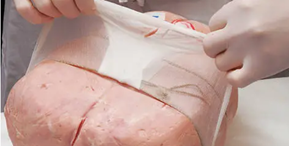
From abattoir to butcher shop, supermarket, restaurant and export market, Australian meat products must be handled carefully at every stage of the supply chain. Stockinette bags provide a practical way to protect meat products while supporting clean presentation, handling and transport. Made from knitted cotton, these bags fit closely around meat cuts and products, helping maintain their shape while providing a protective outer layer. For Australian processors working across demanding production environments, choosing reliable packaging can make a meaningful difference to product quality and operational efficiency.
Why Cotton Stockinette Bags Matter in Meat Processing
Meat processing requires packaging that can withstand routine handling without compromising the product. Cotton stockinette offers a flexible construction that conforms closely to various shapes and sizes, making it suitable for a range of processed meat applications.
Unlike rigid packaging, knitted material stretches and flexes around the product. This can help processors achieve a neat finish while making products easier to handle during preparation, storage and distribution.
For Australian operations, packaging also needs to suit different working environments, from large-scale processing facilities to smaller regional butcheries. The right packaging solution should be practical, consistent and suited to the processor’s handling requirements.
Supporting Product Protection From Abattoir to Market
Once meat has been processed, maintaining its condition throughout subsequent handling becomes a key consideration. Stockinette bags can provide an additional physical barrier around suitable meat products, helping reduce direct contact during handling and supporting a clean, professional appearance.
Cotton construction is particularly useful where flexibility and close-fitting protection are important. The material can be applied around a product without creating excessive bulk, thereby simplifying handling and presentation.
For processors considering food-grade meat wrap bags, always confirm material suitability and intended application with the supplier. Food-contact requirements can vary depending on how the packaging is used, so businesses should choose products appropriate for their specific processing and packaging procedures.
Key Benefits for Australian Processors
Choosing quality meat packaging can support several practical objectives:
● Flexible protection: Knitted cotton can accommodate a range of product shapes and sizes.
● Improved presentation: A close-fitting bag can create a neat and consistent appearance.
● Efficient handling: Lightweight packaging can be easier to handle during processing.
● Versatile applications: Different sizes can accommodate various meat cuts and processed products.
● Professional finish: Consistent packaging can contribute to a more uniform presentation for wholesale and retail markets.
Choosing the Right Stockinette for Your Operation
Not every meat processing application has the same requirements. Before purchasing stockinette bags, processors should consider the size and shape of their products, application method, storage conditions and downstream handling processes.
Bag quality and construction are also important. A reliable supplier should provide clear information about material composition, dimensions, intended use, and any applicable food-contact requirements.
Australian businesses should also consider how packaging performs across their complete workflow. A bag that is easy to apply, consistent in sizing and suitable for the intended handling process can help reduce unnecessary packaging complications.
A Practical Packaging Choice for Australian Meat Businesses
From processing floors in regional Australia to distribution networks supplying major retail markets, dependable packaging plays an important role in protecting product presentation and handling efficiency. Stockinette bags offer a flexible cotton solution for meat processors seeking practical, close-fitting packaging.
For businesses comparing food-grade meat wrap bags, selecting the right product should start with application requirements, material suitability and supplier quality. Speak with a specialist packaging supplier to identify the appropriate stockinette size and specification for your meat processing operation.
Conclusion
Quality packaging is an important part of moving meat efficiently from abattoir to market. Stockinette bags combine flexibility, close-fitting protection and professional presentation, making them a useful option for suitable Australian meat processing applications. Choose a supplier that can provide consistent products and clear guidance on food-contact suitability and application requirements.
—
Frequently Asked Questions
1. What are stockinette bags used for?
Stockinette bags are flexible knitted bags commonly used to provide close-fitting protection and presentation for suitable meat products during handling and distribution.
2. Are cotton stockinette bags suitable for meat processing?
They can be suitable for specific meat-processing applications, provided the product meets the relevant food-contact and processing requirements for its intended use.
3. What are food-grade meat wrap bags?
Food-grade meat wrap bags are packaging products designed for food applications and made from materials suitable for their intended food-contact conditions.
4. Why choose cotton stockinette for meat products?
Cotton stockinette is flexible and can conform closely to different product shapes, helping provide a neat finish while supporting practical handling.
5. How should Australian processors choose stockinette bags?
Processors should consider product dimensions, application method, storage and handling conditions, material specifications and applicable food-contact requirements before selecting a supplier and product.