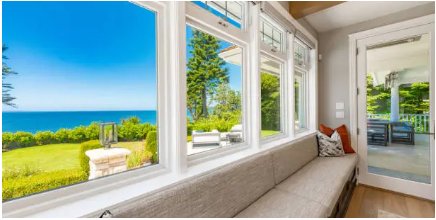
In modern home design across Australia, especially in compact urban builds, banquette seating has become a highly practical and stylish solution for maximising dining and living space. In many Adelaide homes where open-plan layouts are common but floor area can still be limited, this built-in seating style offers a smart alternative to traditional dining chairs.
Banquette seating refers to fixed bench-style seating, often built into walls, corners, or window alcoves, paired with a dining table. It creates a clean, integrated look while improving seating capacity without cluttering the room. In Adelaide homes, it is increasingly used in kitchens, breakfast nooks, and apartment dining areas where efficiency and aesthetics need to work together.
Why Banquette Seating Works in Adelaide Homes
Banquette seating is particularly well-suited to Adelaide’s mix of heritage homes, modern townhouses, and new apartment developments. One of its strongest advantages is spatial efficiency. Instead of allocating space for multiple dining chairs that require clearance to pull out, a built-in bench can sit flush against a wall, freeing up valuable circulation space.
In older Adelaide cottages, where kitchens are often narrow or L-shaped, banquette seating can be designed to fit awkward corners that would otherwise go unused. This transforms underutilised areas into functional dining zones. In newer builds around the suburbs, it is often incorporated into open-plan kitchens to subtly define the dining space without adding partitions.
Another key benefit is seating capacity. A standard dining table with chairs may seat four comfortably, but banquette seating can often accommodate five or more people in the same footprint. This makes it ideal for families or those who frequently entertain guests.
Comfort is also a major factor. With properly designed cushions and backrests, banquettes provide ergonomic support while maintaining a relaxed dining atmosphere. Additionally, many Adelaide homeowners choose built-in storage beneath the seating, further improving practicality in smaller homes.
Finally, the aesthetic versatility is a major draw. Whether styled in coastal minimalism, modern industrial, or classic Australian timber finishes, banquette seating integrates seamlessly into a wide range of interior styles commonly found across Adelaide residences.
Design Options for Small and Large Spaces
When planning banquette seating, design flexibility is one of its strongest advantages. In smaller homes and apartments, L-shaped configurations are often preferred. These maximise corner space while allowing easy access to the table from multiple sides. In studio apartments or compact kitchens, a single straight bench against a wall can still deliver functionality without overwhelming the room.
In larger Adelaide family homes, U-shaped banquette layouts are becoming more popular. These create a semi-enclosed dining booth effect that enhances intimacy while still accommodating larger groups. This setup works especially well in open-plan kitchen-dining zones where subtle spatial definition is needed.
Material selection plays a crucial role in both durability and style. Timber framing remains a popular choice in South Australian homes due to its strength and natural aesthetic. Upholstered seating—often in performance fabrics or leather—adds comfort and can be colour-matched to cabinetry or flooring for a cohesive look.
Lighting also influences the overall impact. Pendant lights positioned above a banquette dining table help anchor the space visually, while wall sconces can enhance ambience without taking up surface space.
For homeowners considering banquette seating, customisation is key. Options such as hidden drawers, lift-up benches, or open shelving beneath the seats can significantly improve storage efficiency. This is particularly valuable in Adelaide households where maximising every square metre is a design priority.
Costs, Materials, and Installation in Adelaide
The cost of installing banquette seating in Adelaide varies depending on materials, level of customisation, and whether it is integrated into a larger kitchen renovation. On average, basic built-in bench seating may start from a modest price range for simple timber construction, while fully upholstered, custom-designed installations with storage can be significantly higher.
Material choice heavily influences cost. Pine or MDF-based structures are generally more affordable, while hardwoods like oak or engineered timber increase durability and price. Upholstery adds another layer of investment, particularly if high-quality foam and stain-resistant fabrics are used.
Installation typically involves collaboration among carpenters, cabinetmakers, and interior designers. In many cases, banquette seating is installed as part of a broader kitchen or dining renovation project rather than as a standalone feature. This ensures alignment with cabinetry heights, flooring transitions, and overall interior design flow.
In Adelaide, demand for custom joinery is strong, which means homeowners often benefit from skilled local trades who can tailor seating to irregular room dimensions—common in both heritage and modern builds.
Maintenance is relatively low. Upholstered sections may require occasional cleaning, while timber surfaces benefit from periodic resealing or polishing. Because the structure is fixed, wear and tear is generally lower than with movable dining chairs.
Overall, banquette seating represents a long-term investment in both functionality and design value, particularly for homeowners looking to enhance space efficiency without compromising on style.
Conclusion
For Adelaide homeowners seeking a balance of practicality, comfort, and design cohesion, banquette seating offers a highly adaptable solution. Whether used in compact apartments or spacious open-plan homes, it improves seating capacity, optimises space, and enhances interior aesthetics. With thoughtful design and quality materials, it can transform everyday dining areas into efficient, visually appealing focal points that suit modern Australian living.